
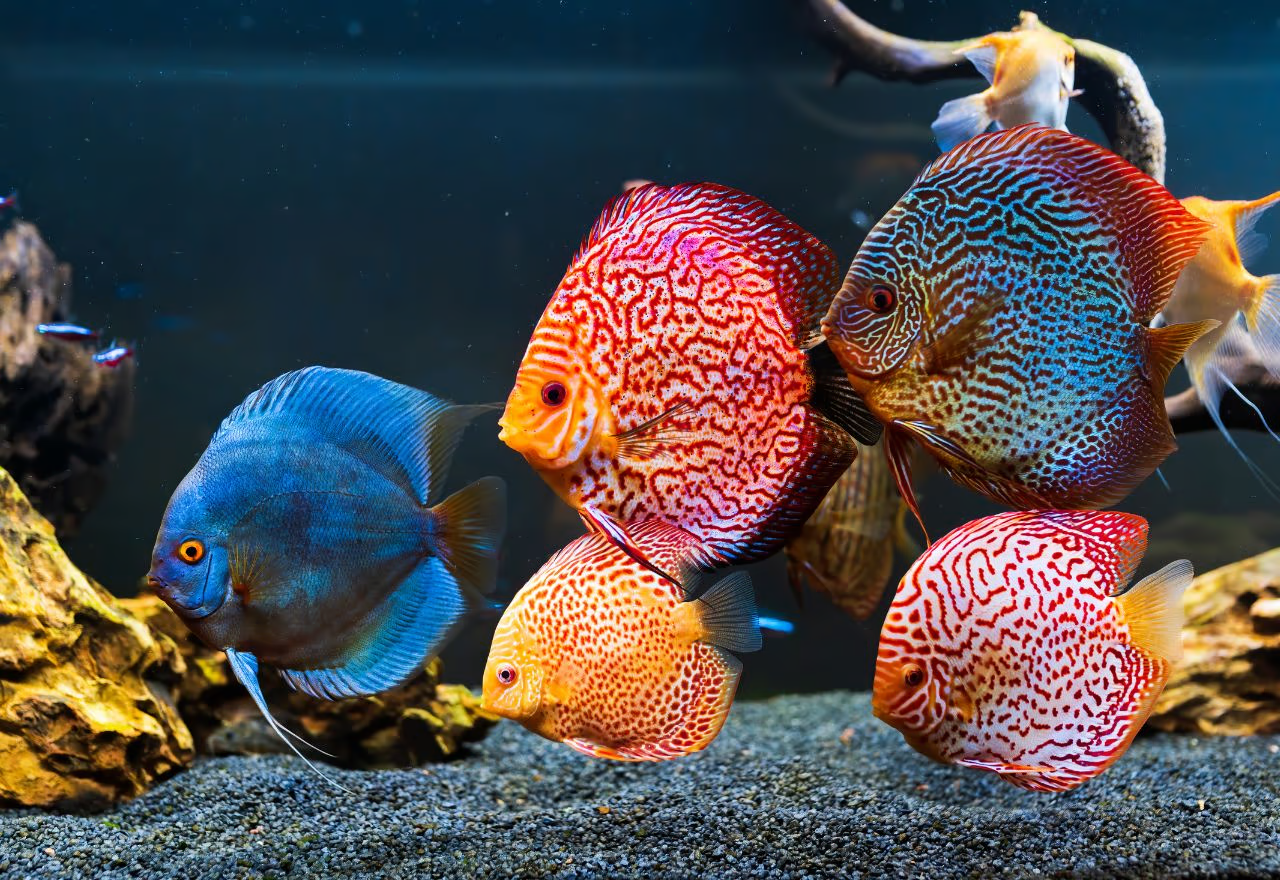
The Growing Profit Wave in the Tropical Fish Market
Thinking of adding more color (and profit) to your tanks this year? You’re not alone. The tropical fish market is swimming in opportunity in 2025, and small pet stores are cashing in. Across the U.S., hobbyists and families are turning to aquariums for beauty, calm, and connection to nature. And here’s the best part — the demand for vibrant, hardy, and beginner-friendly species keeps growing.
Now, more than ever, choosing the right fish matters. Not just any fish — but those that promise a solid profit margin, low maintenance, and steady customer demand. The right mix of species can turn a modest tank setup into a steady revenue stream for your store.
At Top Quality Enterprises Inc., we’ve seen this market evolve firsthand. With over a century of combined experience, our team has helped pet stores — both in the Tampa Bay area and across the world — stock tanks that sell fast and thrive long after delivery. Healthy fish mean happy customers, and happy customers mean repeat business.
Let’s take a closer look at what really makes a tropical fish profitable and which species are making waves in 2025.
What Makes a Tropical Fish ‘Profitable’?
Not all fish are created equal when it comes to profit. Some might look stunning in the tank but cause headaches in care or transport. Others might sell for less individually but move in large numbers. So, what separates a good seller from a great one?
- High survival rate & easy maintenance.
Fish that adapt well to different water conditions and don’t require constant monitoring are easier to manage and less risky for small stores. - Strong demand & repeat buyers.
You’ll always have customers who return for fish that do well in community tanks or breed easily — a good sign of sustainable sales. - Low mortality during transport.
Shipping stress can kill profits faster than anything. Working with a trusted wholesaler like Top Quality Enterprises Inc. ensures fish arrive healthy, active, and ready for display. - Fast reproduction or local breeding potential.
Some species can be bred in-store, allowing small shops to restock without new purchases every time.
A quick pro tip from our experience: Balance beauty, availability, and care requirements. Too rare, and you risk unsold stock. Too common, and margins shrink. The sweet spot is in fish that are beautiful enough to catch attention but hardy enough to keep customers happy.
The Top 10 Most Profitable Tropical Fish Species for Small Pet Stores in 2025
- Guppies (Poecilia reticulata)
Still the king of small-store profits. Guppies have it all — low cost, fast breeding, and colors that never go out of style. From neon tails to metallic fins, there’s a variety for every buyer. Their hardiness also means fewer losses, which boosts your bottom line.
We’ve seen store owners double their sales just by stocking a mix of males and females. Plus, they breed quickly, meaning small stores can even raise their own batches for extra income.
Quick tip: Always keep your guppy tanks clean and moderately warm. They thrive in stable environments, and customers love seeing them active and healthy.
- Neon Tetras (Paracheirodon innesi)
A classic that never fades. Neon Tetras are the definition of consistent demand. Their shimmering blue and red stripes are irresistible — especially for first-time aquarium owners.
What makes them profitable? Bulk sales. Customers rarely buy one tetra; they buy groups of six, ten, or even more. That means steady movement of inventory and easy upsells with plants and décor.
They’re also a great community fish, compatible with guppies, platies, and mollies. For stores, that opens opportunities for “tank starter kits.” Bundle a few hardy fish with supplies, and you’ve got a high-margin combo.
- Betta Fish (Betta splendens)
Ah, the showstopper. Betta Fish are stunning, low-maintenance, and come with a fan following — literally millions of hobbyists showcase them online. Their popularity has exploded thanks to social media trends and influencer setups.
Here’s why they’re a goldmine:
- You can sell them singly at a high markup.
- They require minimal space — one fish per small tank.
- Customers often buy unique colors or tail types (Crowntail, Halfmoon, Plakat).
Since bettas are labyrinth fish (they breathe air from the surface), they’re forgiving for beginners. We’ve shipped thousands of bettas, and with proper packaging and temperature control, their survival rate is excellent.
- Zebra Danios (Danio rerio)
Zebra Danios might not have flashy fins, but their reliability makes them one of the best sellers. They’re hardy, fast, and perfect for kids or beginners who just started their fishkeeping journey.
They’re also easy to breed, which gives small stores flexibility to create their own supply lines. Because of their playful swimming patterns, they attract attention in tanks — a visual advantage for in-store displays.
Zebra Danios are inexpensive, but their turnover is fast. Pet stores often reorder them in bulk from our Tampa Bay facility, especially during spring and summer months when home aquariums peak in sales.
- Angelfish (Pterophyllum scalare)
Elegant. Graceful. Profitable. Angelfish command higher retail prices and bring prestige to any tank. For small pet stores, they serve as “show fish” — the centerpiece that attracts customers through the door.
While they require slightly more care than tetras or guppies, their profit margins make up for it. Specialty varieties like koi, marble, and platinum angelfish can fetch premium prices.
At Top Quality Enterprises Inc., we advise our partners to stock angelfish in moderate quantities and highlight them under strong lighting — they practically sell themselves once customers see those fins flutter.
- Mollies (Poecilia sphenops)
Adaptable, social, and easy to breed — mollies are every small store’s friend. They do well in both freshwater and slightly brackish environments, making them resilient to variable tank conditions.
Customers love them for their personality and vibrant colors — black, gold, dalmatian, balloon, and lyretail varieties all move quickly.
Stores can even breed mollies in-house for a nearly 100% profit margin. We’ve seen retailers turn one shipment into several generations of sellable stock, simply by maintaining healthy tanks and balanced water salinity.
- Platies (Xiphophorus maculatus)
Platies are small but mighty when it comes to sales volume. Their peaceful nature and bright colors make them top choices for families and beginners. They’re also undemanding, thriving in ordinary community tanks.
Their real strength lies in repeat sales. Customers often return for “a few more” to fill their tanks or replace older ones. For small pet stores, that kind of steady turnover is gold.
We’ve noticed platies perform best when mixed with guppies and mollies in displays — creating a moving rainbow that’s hard to resist.
- Corydoras Catfish (Corydoras spp.)
Don’t underestimate the bottom dwellers. Corydoras Catfish might not be flashy, but they’re essential. They clean tanks, keep algae down, and add character to any setup.
Customers rarely buy just one — usually three or more — since they’re schooling fish. That means higher cart totals for every sale.
They’re hardy, peaceful, and compatible with nearly every tropical species. For pet stores, that’s the perfect formula for low-risk profits. We recommend stocking a mix of bronze, panda, and albino corys — they’re crowd favorites and easy to care for.
- Gouramis (Trichogaster spp.)
From Dwarf to Pearl, Gouramis are another high-value species for 2025. Their calm temperament and elegant patterns make them ideal for centerpiece tanks.
They’re slightly more advanced than guppies but still manageable for beginners with guidance. That’s where small pet stores can shine — offer care advice, and customers are more likely to return for food, décor, and tank mates.
Gouramis are strong sellers during holidays or special promotions, especially when paired with plant bundles or decorative tank setups. With proper sourcing and shipping (our specialty), their profitability stays high year-round.
- Bristlenose Plecos (Ancistrus sp.)
Last but not least — the hardworking Bristlenose Pleco. A natural algae eater, it’s both functional and decorative. Customers love them because they help keep tanks clean, reducing maintenance time.
They’re also easy to breed and thrive in most freshwater environments. That combination of utility and resilience makes them a steady income source for pet stores.
From our experience, the demand for Bristlenose Plecos stays strong even during slower retail months. They’re often an “add-on purchase” when customers are setting up new tanks — a subtle but consistent profit driver.
Emerging Trends in the Tropical Fish Market (2025 Edition)
The industry isn’t just growing — it’s changing. Here’s what’s shaping the tropical fish market in 2025:
- Nano aquariums are booming. People love compact, low-maintenance tanks for desks and apartments. Smaller fish = higher turnover.
- Sustainable sourcing is now a selling point. Customers want fish that come from ethical, healthy breeding environments — something Top Quality Enterprises Inc. proudly guarantees.
- Online sales & social media continue to push trends. Viral posts featuring Bettas or nano setups drive massive retail spikes.
- Hardy fish are winning. As people use energy-efficient filters and smaller tanks, durable species like guppies and tetras remain top choices.
For pet stores, adapting to these trends can mean the difference between steady sales and empty tanks.
How to Maximize Profit Margins in Your Fish Store
Here’s where experience really pays off. After decades of working with small stores and major distributors, we’ve learned a few golden rules for success:
- Source from reputable wholesalers. Poor quality fish mean returns and losses. Partner with Top Quality Enterprises Inc. for healthy, well-conditioned stock.
- Maintain proper quarantine and acclimation. A few days of observation prevents major losses.
- Upsell related products. Fish food, water conditioners, live plants, and decorative gravel all boost profits.
- Educate your buyers. Sharing basic care tips builds trust and encourages repeat visits.
- Offer loyalty programs or discounts. Even small incentives keep hobbyists coming back.
Remember — selling tropical fish isn’t just about the first sale. It’s about creating relationships that last.
Common Mistakes to Avoid
Even seasoned retailers can slip up. Watch out for these:
- Overstocking delicate species that don’t move fast.
- Ignoring local water parameters. Some fish thrive only under specific conditions.
- Buying from unreliable suppliers who cut corners in shipping. Cheap shipments often cost more in losses.
Bring Color, Health, and Profit to Your Store with Top Quality Fish
In 2025, the tropical fish market is teeming with opportunity. For small pet stores, focusing on hardy, popular, and colorful species can transform profits. But it all starts with sourcing — quality, reliability, and trust make the difference.
At Top Quality Enterprises Inc., we don’t just ship fish. We deliver excellence. Every guppy, tetra, or angelfish we pack is handled with care and backed by decades of expertise. Whether you’re restocking your local shop or expanding internationally, we’re here to make your tanks — and your business — thrive.
Reach out to Top Quality Enterprises Inc. today. Let’s stock your tanks with the healthiest, most profitable tropical fish of 2025 — and make your business flourish.