
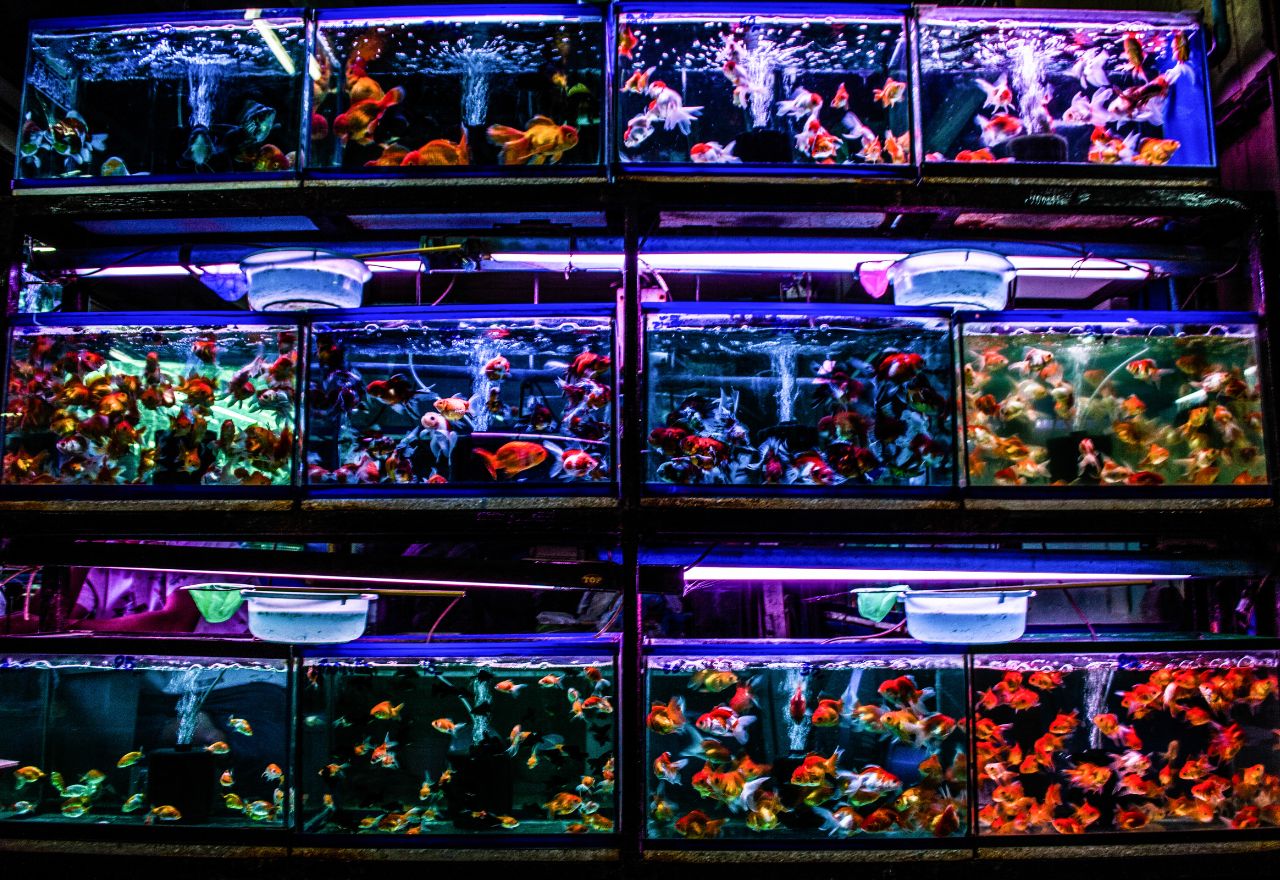
Forecasting demand isn’t just a numbers exercise in this industry… not even close. In the tropical fish world, demand swings fast, buyers shift suddenly, and one viral post online can drain your stock of a certain species overnight. At Top Quality Enterprises Inc., we’ve lived through every type of season you can think of — the quiet months, the chaotic holiday rush, even those moments when everyone suddenly wants the same fish at the exact same time. And after more than 100 years of combined experience in the field, we can say this confidently: good forecasting can make or break your season.
When stores and distributors plan ahead, they protect cash flow, reduce losses, avoid last-minute scrambling, and ensure their customers get exactly what they’re looking for. A solid forecast means you’re not stuck with overstocked tanks during slower weeks, and you’re definitely not missing sales during those booming months when everyone’s setting up new aquariums. It keeps your inventory balanced, your shipments on schedule, and your business running smoothly. And with the right steps — the same steps we rely on — forecasting becomes less of a guessing game and more of a dependable routine.
Understanding Peak Aquarium Season
Peak season in the aquarium world usually hits during two major waves: the holiday months and the early spring hobby surge. From November through January, stores see a big push in aquarium purchases, starter kits, and gift-ready fish species. Then right around spring, interest picks up again as hobbyists refresh their tanks or start new ones.
Domestic and international demand don’t always move together. Local U.S. buyers respond strongly to holiday shopping trends, weather patterns, and local store promotions. International buyers, on the other hand, depend heavily on cultural holidays, export timing, and shipping windows that fit their regulations. Sometimes we ship out large quantities to one region simply because a certain country promotes aquarium hobbies during that season.
Demand spikes for three reasons:
- Holiday gifting — Families buy beginner setups.
- New hobbyists joining the community — Social media helps here.
- Events, expos, or aquarium club promotions — More tank setups mean more fish needed.
And because these trends happen every single year, understanding them becomes the foundation for building accurate forecasts.
Analyze Historical Sales Data
Studying last year’s sales is one of the most reliable ways to predict this year’s numbers. Many stores look back and immediately spot their seasonal winners — for example, livebearers and tetras almost always jump in the holidays because they’re hardy and beginner-friendly. Meanwhile, cichlids stay steady all year but spike when advanced hobbyists get inspired by new videos or aquascape trends.
Looking at YOY growth helps you gauge whether your customer base is expanding, shrinking, or shifting. If your sales increased by 10% last season, you might need to prepare for a similar bump. And separating seasonal species from evergreen sellers helps you understand where to prioritize your budget.
Patterns also appear at smaller intervals. Weekly fluctuations tell you when customers buy most, such as weekends or payday periods. Monthly patterns reveal the slow and busy stretches. Entire categories show repeat trends — schooling fish surge with larger tank setups, while nano species spike anytime a new nano-aquarium model becomes popular.
When you understand your history, you’re no longer forecasting blindly. You’re predicting with real numbers, real behavior, and real market rhythms.
Track Current Market Trends
Social media shapes demand more than ever. A single TikTok clip showing a sparkling school of rasboras can send orders flying. Instagram reels featuring planted tanks tend to boost demand for shrimp, small schooling fish, and nano species. Forums, Facebook groups, and aquarium communities also hint at early trends — especially when hobbyists start recommending or hyping certain species.
Retailers and wholesalers alike notice rising interest in hardy, beginner-friendly fish because more new hobbyists enter the scene every year. We also see more requests for sustainably sourced or locally bred species, which is a growing priority for buyers concerned about responsible collecting.
New aquarium technology also changes demand. Larger tank kits encourage stores to carry bigger schooling fish, rainbowfish, or peaceful cichlids. Nano kits bring heavy interest in small tetras, rasboras, dwarf shrimp, and compact species that thrive in smaller aquariums.
Following these trends helps you stay ahead — not behind — demand spikes.
Understand Customer Segments
Forecasting has everything to do with who your customers actually are. Beginners tend to buy hardy community fish, while enthusiasts chase rare species or niche varieties. Saltwater customers operate differently than freshwater buyers, especially when coral seasons shift.
Regional trends vary too. Florida shops might sell more tropical species year-round due to warmer temperatures. East Coast stores may require hardier species during winter months. The Midwest sometimes slows down shipping during extreme cold. These regional differences influence how much stock your wholesaler prepares and how you adjust your inventory.
International buyers also require forecasting that matches export regulations, preferred species for that region, and climate restrictions. Some countries focus heavily on guppies and mollies, while others look for cichlids or marine fish. Knowing who you serve helps shape your entire seasonal strategy.
Work Closely with Your Wholesaler
Your wholesaler plays a major role in forecasting. At Top Quality Enterprises Inc., we see supply and demand trends earlier than most because we’re connected to breeders, farms, importers, and global shipping lines. When something changes — a sudden shortage, a spike in a certain species, delays in export — we can advise stores quickly.
Communicating your expected needs early helps us prepare your shipments correctly. Pre-orders are incredibly valuable during peak season because they lock in your stock ahead of demand. When you sync your ordering cycle with our shipment schedule, everything runs smoother.
And leaning on wholesaler recommendations is always smart. We can tell you which species are trending upward, which will be harder to get later, and where you may want to increase or limit your quantities to avoid shortages or losses.
Use Data Tools & Forecasting Models
Forecasting tools don’t need to be complicated. Most POS systems already include dashboards that show top sellers, weekly patterns, and upcoming reorder points. You can use simple spreadsheets to build trendlines, calculate running averages, and estimate how much stock you’ll need for the next 30, 60, or 90 days.
More advanced aquarium retailers even use AI tools that predict demand based on seasonality, past sales, and market conditions. Wholesale inventory systems — like ours — also help you adjust your expectations because we track what’s moving across multiple stores.
The goal is not to be perfect. It’s to be prepared.
Consider External Factors
Weather affects shipping — badly at times. Some species simply can’t travel safely in freezing temperatures, while others require tight heat control. Seasonal temperature drops also affect mortality and acclimation, impacting which species you should order more of or avoid completely.
Economic conditions also shape demand. During inflation or budget-conscious seasons, buyers lean toward hardy, affordable beginner fish. When the economy opens up, higher-end species tend to surge.
Local shows, expos, and major promotions can push demand higher too. Even big-box retailers running discounts can indirectly increase customer interest across the hobby.
Build a Flexible Ordering Strategy
The smartest way to manage peak season is to divide your stock strategy into:
- Must-have year-round species
- Trend species
- Seasonal-only species
Having a small safety stock buffer protects you during sudden demand jumps. And rotating your stock avoids crowding your tanks and risking losses from overstock.
Forecasting for Saltwater vs. Freshwater
Freshwater species usually dominate holiday demand — especially community fish. Saltwater demand moves differently due to coral seasons, specialized equipment, and longer acclimation times. Shipping challenges also hit marine fish harder, so forecasting requires extra caution.
Practical Forecasting Checklist
- Review last year’s sales
- Identify seasonal best-sellers
- Watch social media trends
- Segment customers
- Communicate early with wholesalers
- Use POS tools and spreadsheets
- Prepare safety stock
- Adjust for weather and economic factors
Get Reliable, Ready-to-Ship Tropical Fish for Your Store Today
When you’re ready to forecast smarter and prepare for peak aquarium season with confidence, Top Quality Enterprises Inc. is here to guide you every step of the way. Our team brings over a century of combined knowledge, reliable shipping, and healthy, vibrant tropical fish ready for your customers.
Reach out today and let us help you build a stronger, better-stocked season — no guesswork, just top-quality results.